International Meet and Expo on
Astronomy, Astrophysics, and Space Science
March 24-26, 2027 Tokyo, Japan
Thousands of international researchers, scientists and leaders will gather at the meeting.
Abstract Submission Deadline: February 26, 2027
EarlyBird Registration Deadline: June 15, 2026

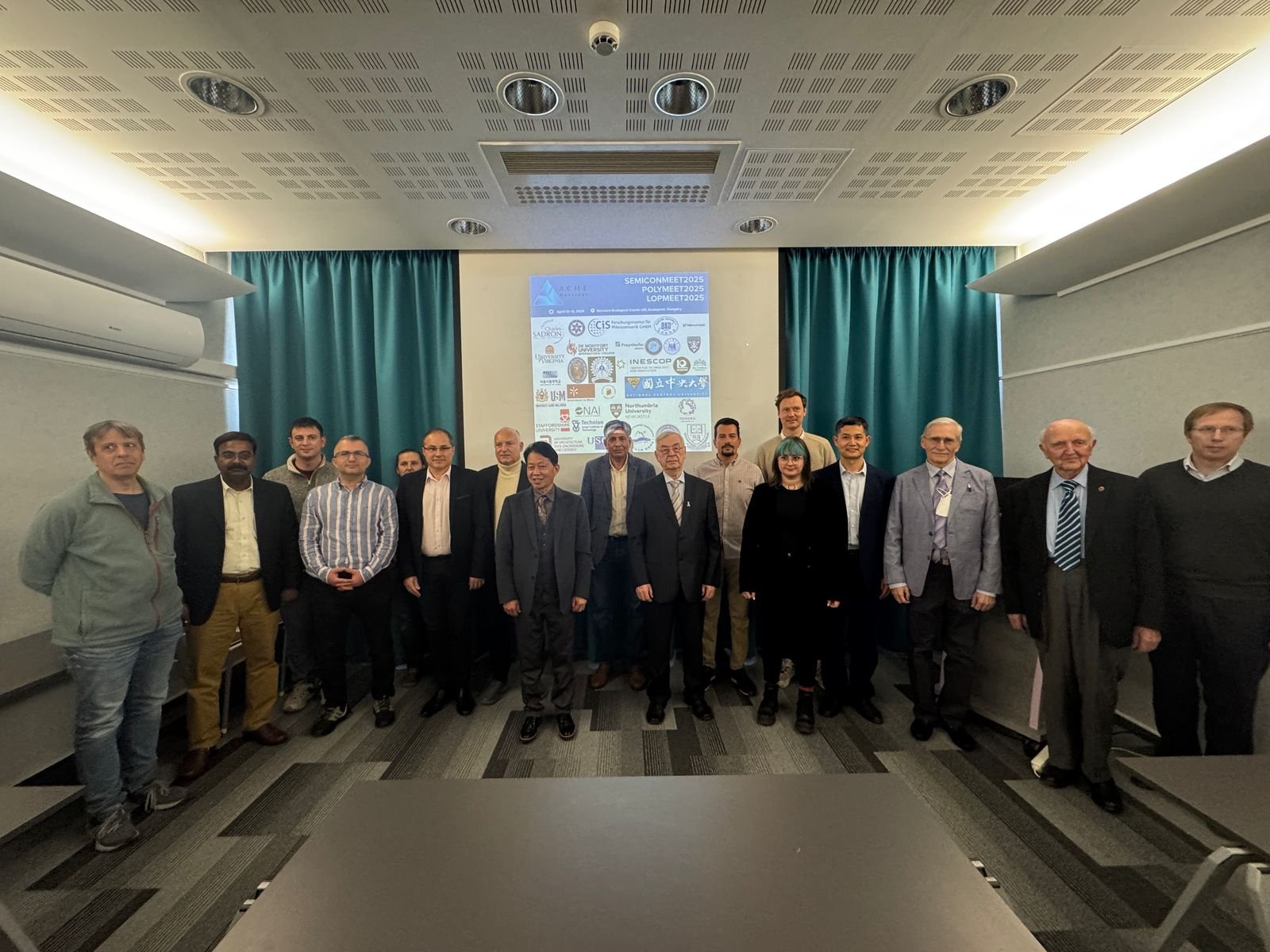
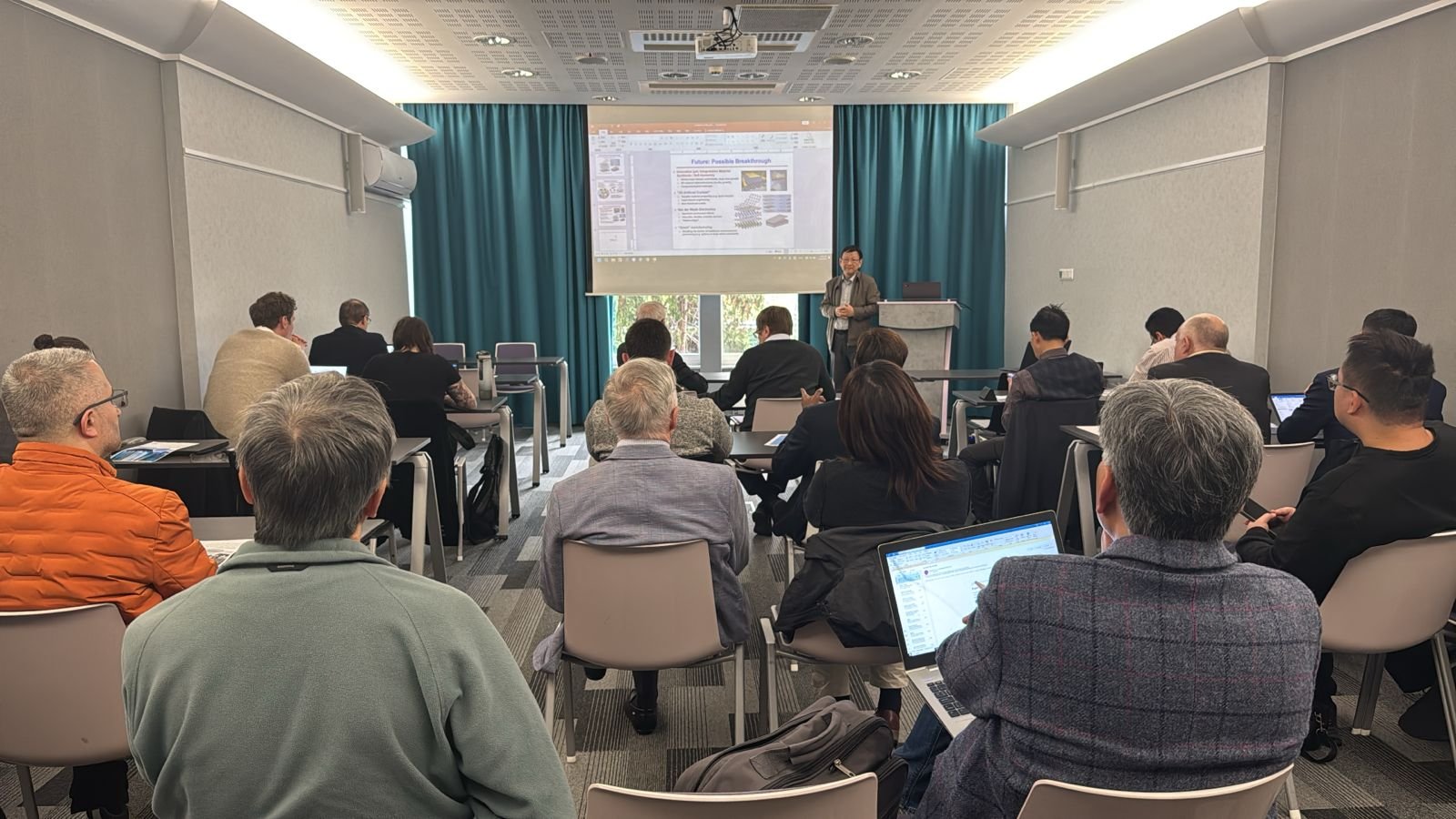
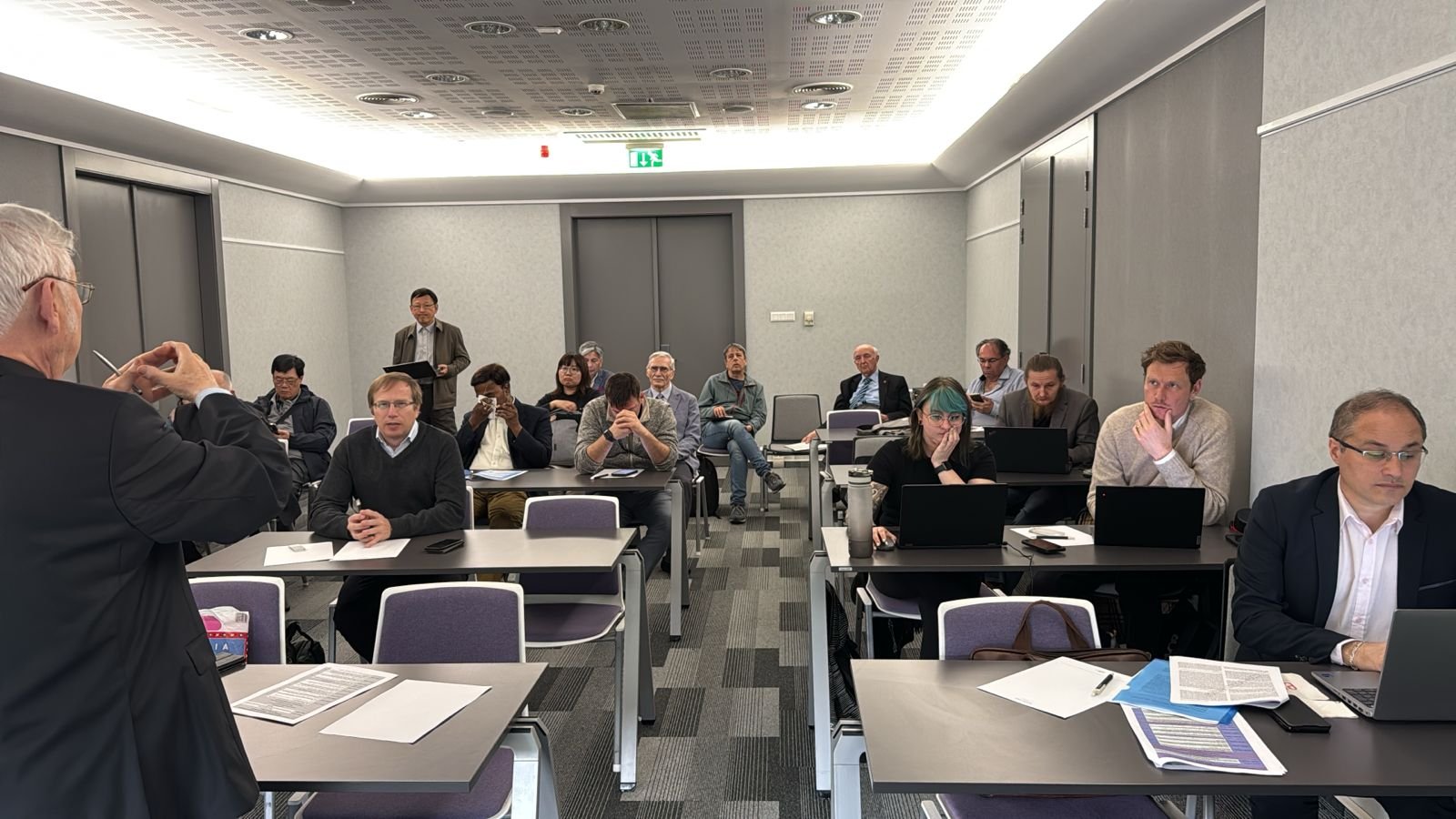
Previous Glimpses
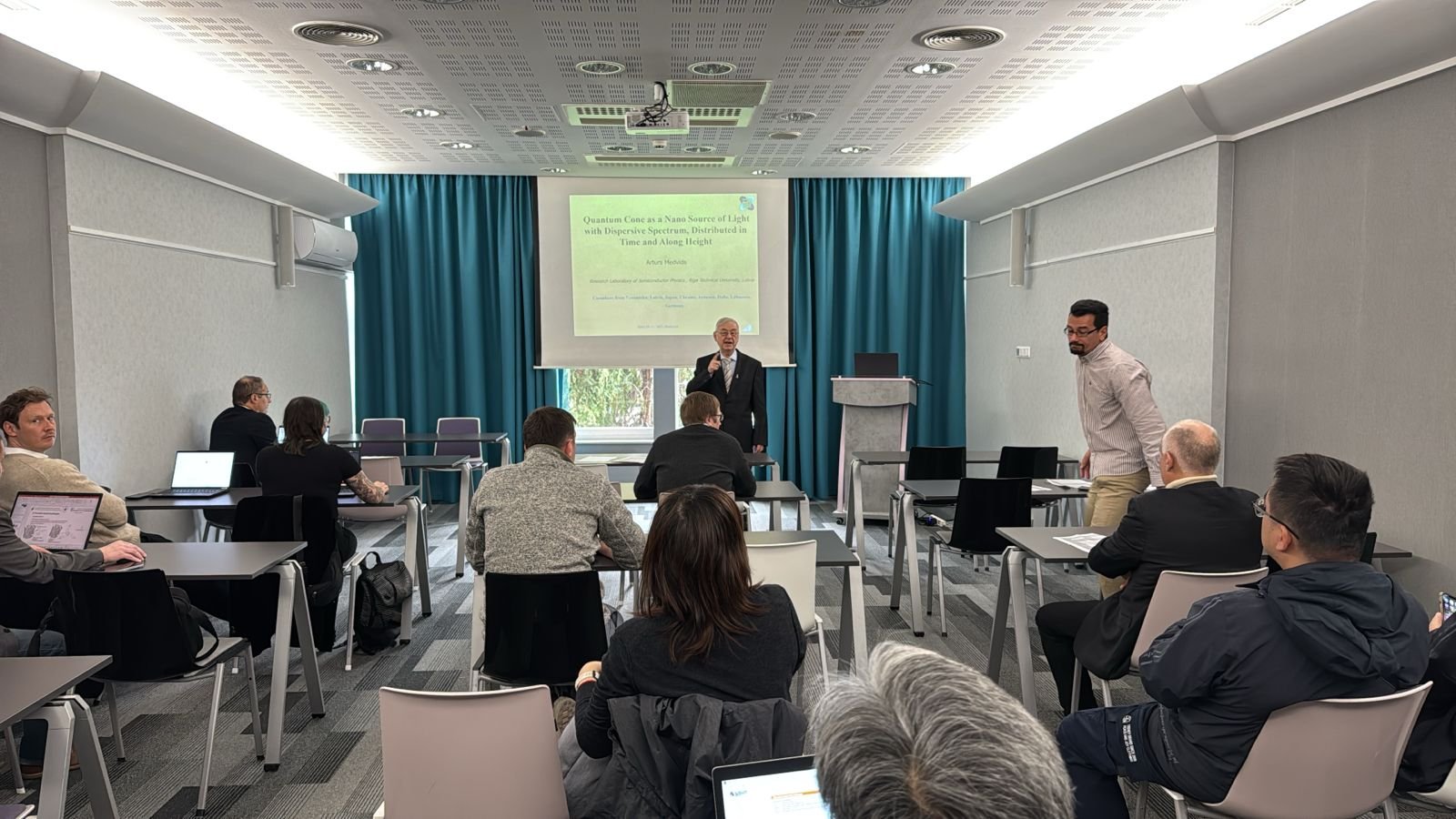
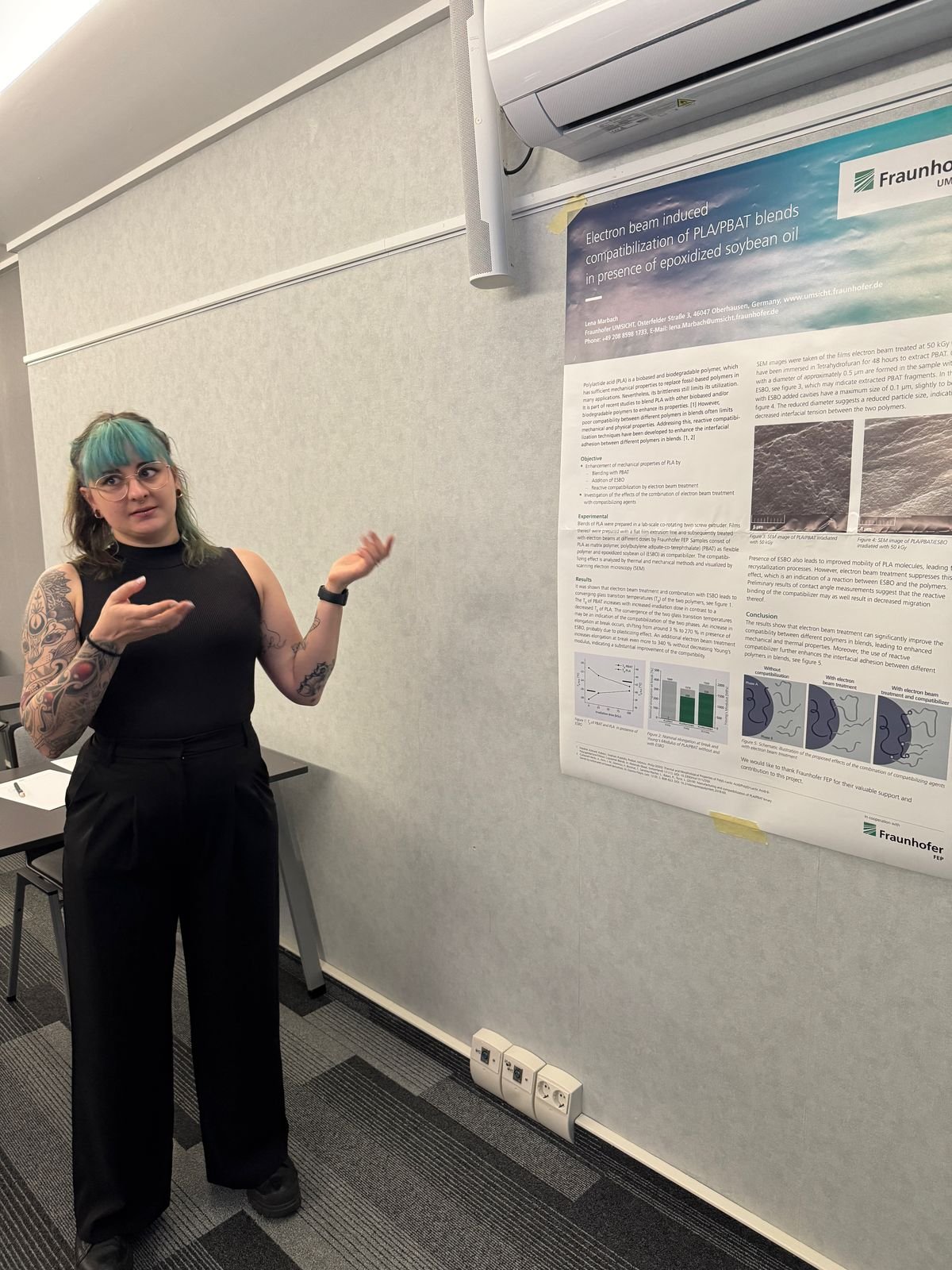
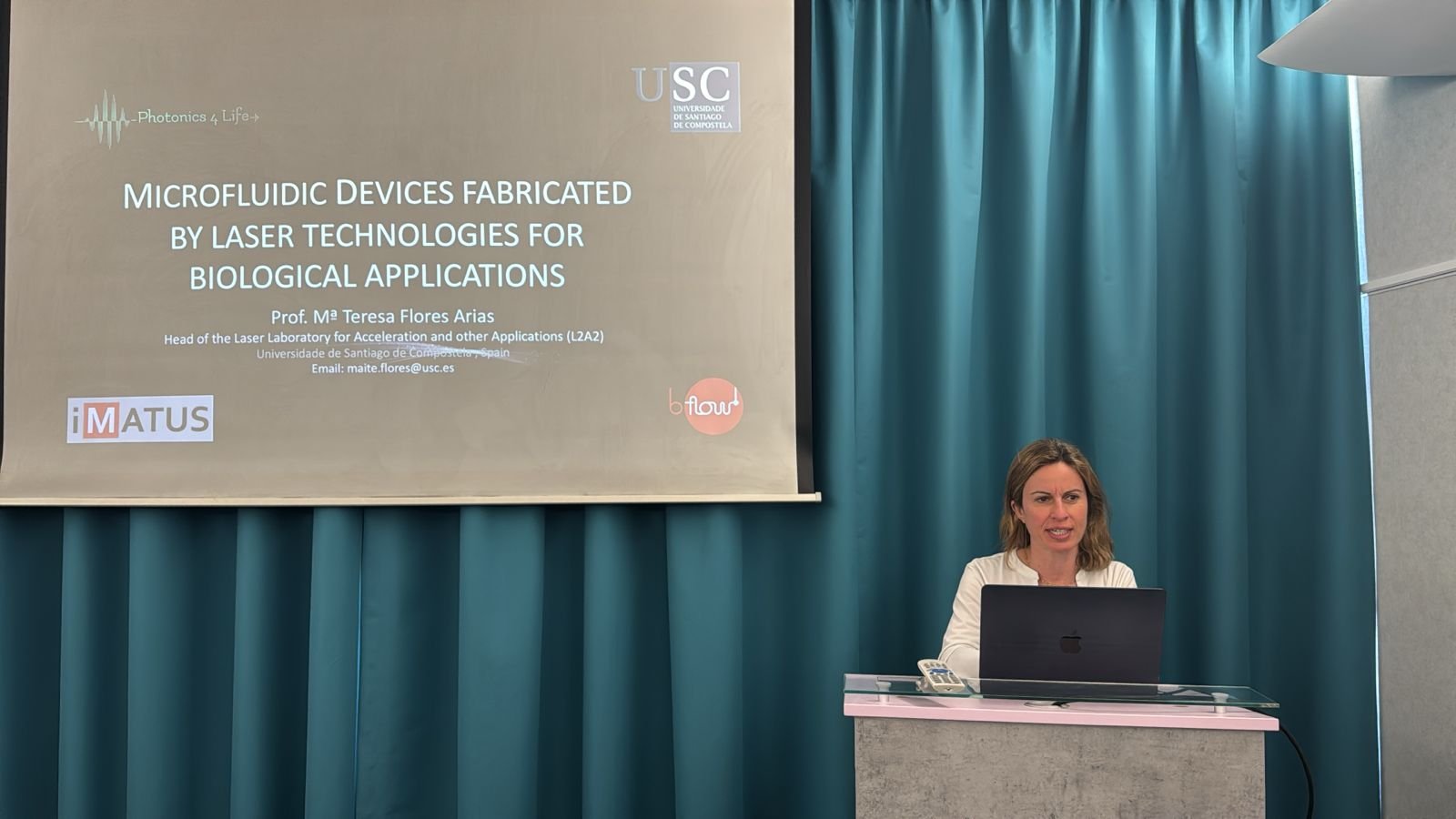
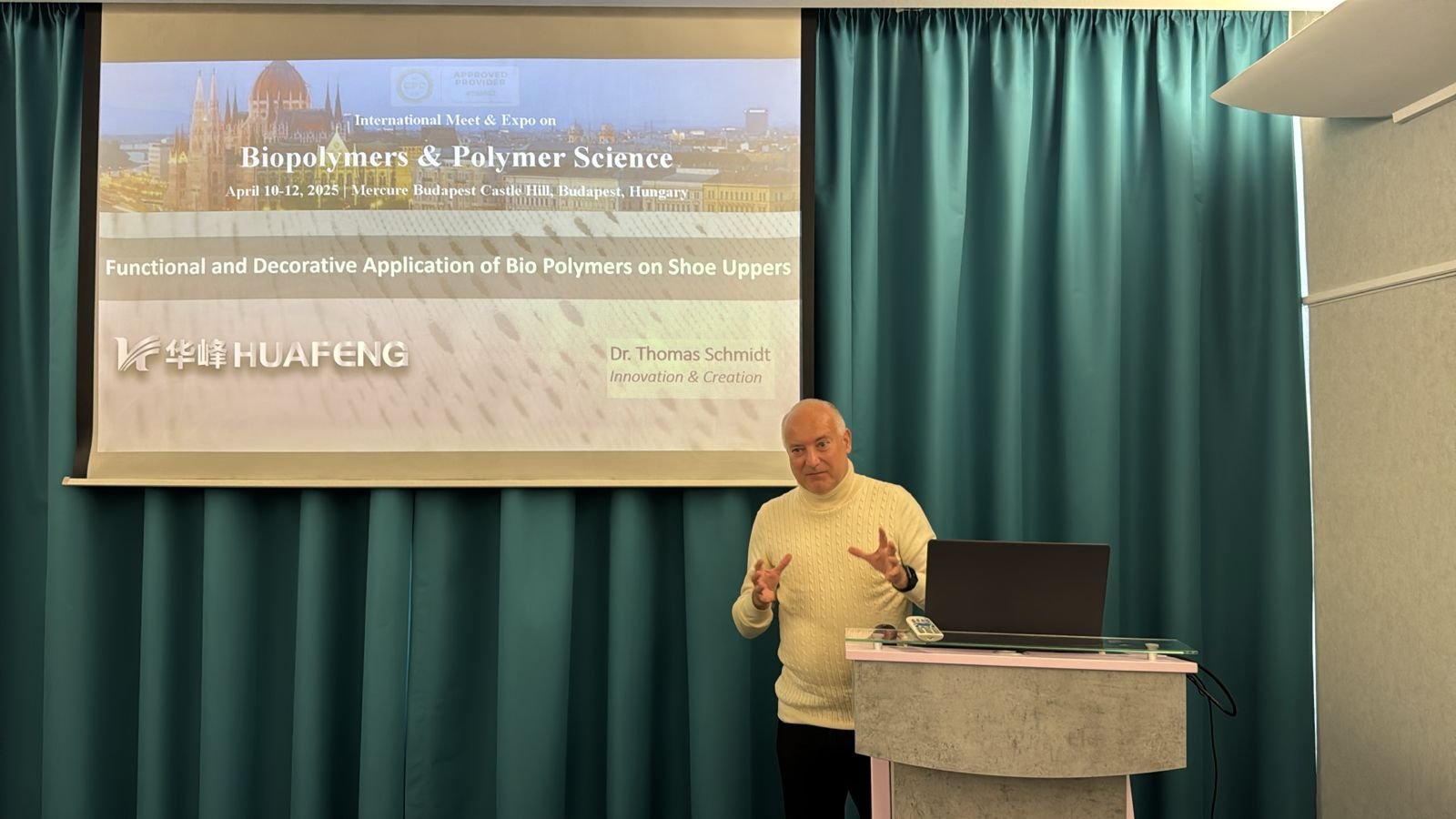
ASTROSPACEMEET2027
Committee
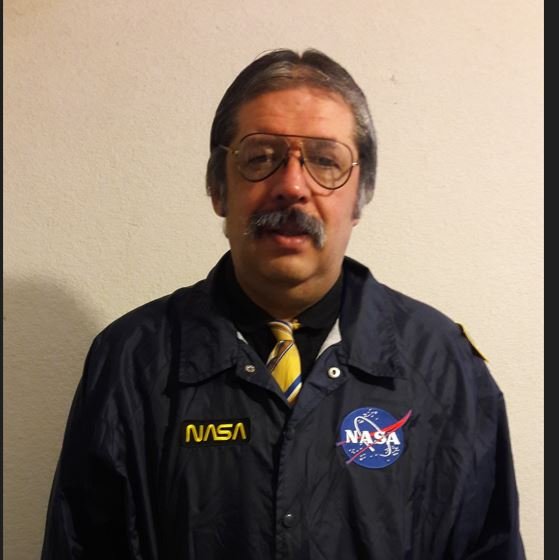
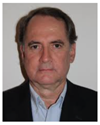
Dr. Francisco Bulnes
DR. FRANCISCO BULNES, PhD, PostDocs, Doctor H. C., HonDSc, zbMATH, MathSci PhD in Mathematical Sciences, IM/UNAM. IINAMEI Director, Mathematics Research Centre in Mexico, 2015-Actually. Pioneer in curvature energy theory, formal theory of engineering and mathematical theory of nanotechnology. Editor-in-Chief of Journals of Mathematics, in USA, and India, 2015- Actually. Member of various international committees of science. Reviewer of British journals of mathematics and physics in SCOPUS; Head of Research Department, GI- TESCHA. Numerous papers (more than 150) in mathematics and physics research j ournals, and author of much books of mathematics and physics. Recognised and famous in East Europe, Asia, Arab continents. He has many theories, theorems, math objects with his name, as example his transforms pair on quasi-relaxation on materials (acquaintance as Bulnes’s transforms) or many theorems on derived categories and moduli space identities. He has received various honors and awards (Doctorates Honoris Causa) by universities and NGO’s, likewise GO’s. He received the Doctor Honoris Causa in Education Philosophy and Peace Ambassador by ODAEE in Frankfurt, Germany. Also is Czech Republic Mathematics Society distinguished member (JCFM). He has two post-doctorates in Cuba and Russia in mathematics. Many international awards and badges (more than 70) as Publons badge, SCOPUS, ZbMath, Thomsom Reuters, MathSci, ORCID, Peace Ambassador and others. His biography appear and has been published in many books of the United Kingdom, India, China, Russia, Ukraine, USA, Spain and Mexico. He has received various tributes from publishing houses in United Kingdom and others. Also he has advanced research in electronics, micro-electronics, nanomedicine and spintronics. www.iinamei.com.mx
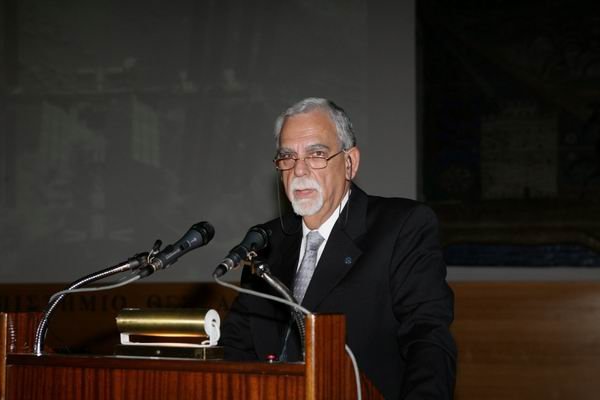
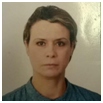
Prof. Nikolaos K Spyrou
Nikolaos K. Spyrou is Professor of Astronomy at the Aristoteleion University of Thessaloniki, Greece, retired since 2011. He has taught extensively at both the under graduate and post graduated levels, conducted research work and lectured in many universities and research centers in Greece and abroad, and, also, served in many national and international administrational-scientific posts. His books and research articles belong to General Relativity Theory, Fluids, Gravitational Astrophysics, Environnemental Physis (and, secondarily, Space Physics, History of Astronomy, and Science Education), and, recently, Relativistic Cosmology combined with Thermodynamics for the polytropic Universe and its radical consequences and predictions.
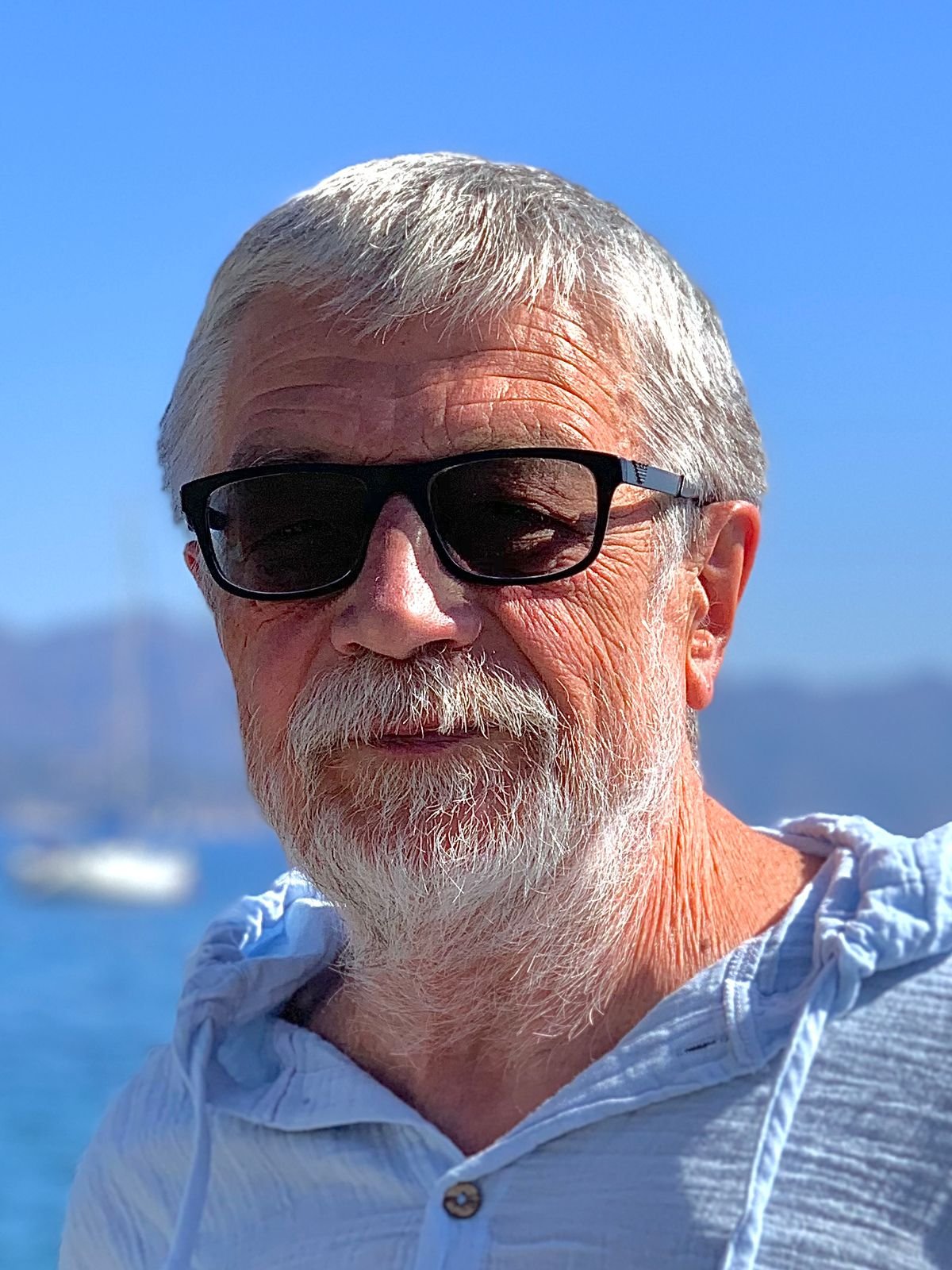
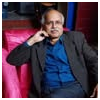
Prof. Dr. Vladimir Valentinovich Egorov
Prof Dr Vladimir Valentinovich Egorov has his expertise in theoretical molecular and chemical physics. Education: National Research Nuclear University MEPhI, Faculty of Theoretical and Experimental Physics (1966 – 1972), Moscow, USSR. He has completed his PhD from Theoretical Department of Institute of Chemical Physics, USSR Academy of Sciences (1981), and he has completed his Dr Phys&Math Sci degree from Institute of Physical Chemistry, Russian Academy of Sciences (2004). He is leading researcher at NRC “Kurchatov Institute”, Moscow, Russia. Prof Egorov is working on the development of a fundamentally new physical theory ‒ quantum-classical mechanics and their applications in physics, chemistry, biology and biomedicine.
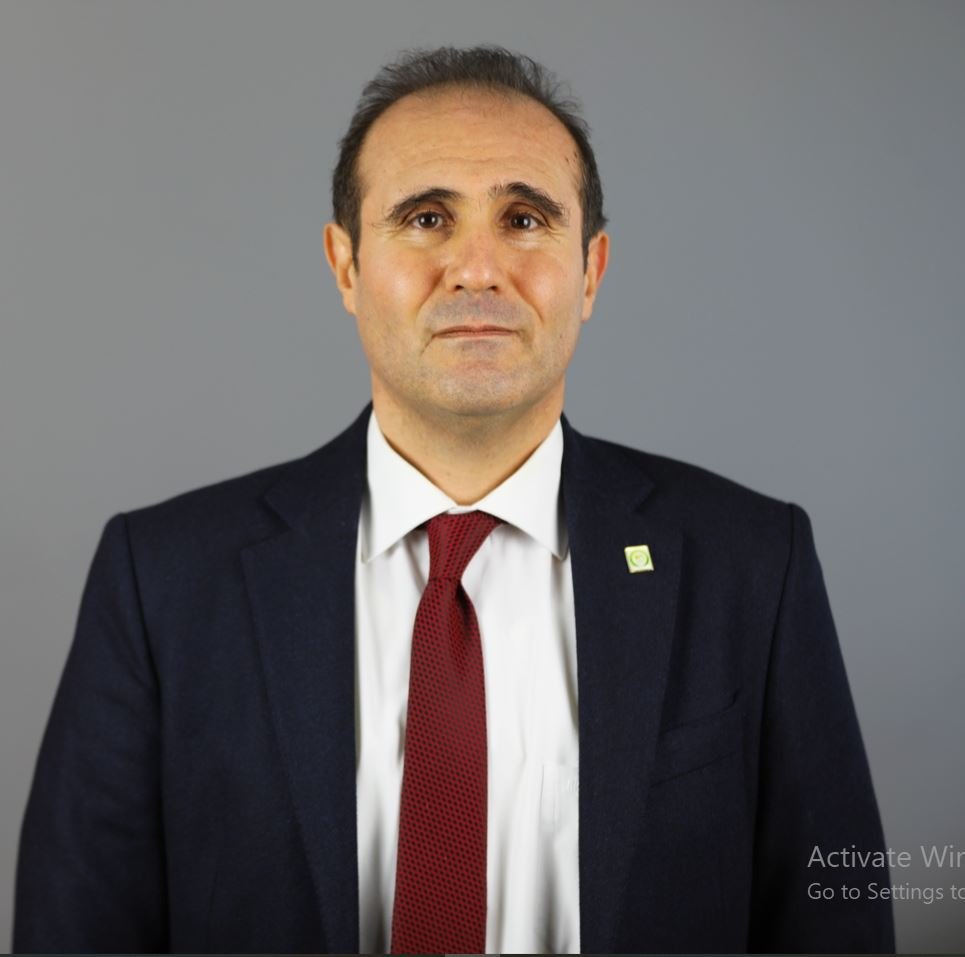
Dr. Emin Taner Elmas
Asst.Prof. Dr. Emin Taner ELMAS is a Mechanical Engineer having degrees of B.Sc., M.Sc., Ph.D., and was born in Sivas in 1974. He completed his doctorate at Ege University, Graduate School of Natural and Applied Sciences, Mechanical Engineering Department, Thermodynamics Science Branch, and his master's degree at Dokuz Eylül University, Mechanical Engineering Department, Energy Science Branch. He also completed his undergraduate education at Hacettepe University, ZEF, Mechanical Engineering Department and graduated from the faculty with honors in 1995 and became a mechanical engineer. He was awarded a non-refundable scholarship by the Turkish Chamber of Mechanical Engineers in his 4th year because he was the most succesful student during his first 3 classes study at the faculty. He graduated from İzmir Atatürk High School in 1991. Asst. Prof. Dr. ELMAS has completed his military service as a NATO Officer in Bosnia and Herzegovina. He was a “Reserved Officer” as a “2nd Lieutenant” as an “English-Turkish Interpreter”. He was also a “Guard Commander” and served in Sarajevo, Camp Butmir within the SFOR task force of NATO. He has been awarded with 2 (two) NATO Medals and Turkish Armed Forces Service Certificate of Pride (Bosnia & Herzegovina). In addition to his academic duties at universities, he has worked as an engineer and manager in various industrial institutions, organizations and companies; He has served as Construction Site Manager, Project Manager, Management Representative, Quality Manager, Production Manager, Energy Manager, CSO-CTO, CBDO, Factory Manager, Deputy General Manager and General Manager. Asst. Prof. Dr. Elmas is Department Head and is an Assistant Professor of Automotive Technology at the Department of Motor Vehicles and Transportation Technologies at Vocational School of Higher Education for Technical Sciences at IGDIR UNIVERSITY, Turkey. He is also an Assistant Professor of Bioengineering & BioSciences at the same university. He has nearly 30 years of total experience in academia and in industry. He has served as a scientific referee and panelist for ASME, TUBITAK and many scientific institutions, organizations and universities, including NASA. He has published numerous international and national academic scientific articles, books, and book chapters, and serves as an editor for international academic journals. He also serves on the scientific committees of many international conferences, publishing conference and congress proceedings and giving presentations. “Mechanical Engineering, Energy Transfer, Thermodynamics, Fluid Mechanics, Heat Transfer, Higher Mathematics, Evaporation, Heat Pipes, Space Sciences, Automotive, Bioengineering, Medical Engineering Applications, Neuroengineering, Medical Technique” are his academic and scientific fields of study; “Heating-Ventilation Air Conditioning Applications, Pressure Vessels, Heat Exchangers, Energy Efficiency, Steam Boilers, Power Plants, Cogeneration, Water Purification, Water Treatment, Industrial Equipment and Machinery, Welding Manufacturing, Sheet Metal Forming, Machining” are his industrial experience fields. As of 2026, he has been awarded the Nobel Scientist Award by the international platform organization Scientific Laurels. Asst. Prof. Dr. Emin Taner ELMAS is also a musician, saz (baglama) virtuoso player and ney (Nay, Turkish Reed Flute) performer. He plays also cümbüş instrument and performs darbuka rhythm instrument. He has a YouTube Music Channel (Emin Taner ELMAS) which includes some of his sound recordings of him playing the saz-baglama and blowing the ney. He composed the poem written by the great poet Âşık Veysel ŞATIROĞLU under the name of “Raşit Bey” in memory of his father Judge (Hâkim) Raşit ELMAS as “Raşit Bey Türküsü”, wrote it down, notated and published it as an academic article and broadcasted this song on his own music channel. He wrote the poems entitled “Canım Babam” and “Geldim Babam” which he wrote also in memory of his father and published in an academic literature journal, and composed instrumental musics for these poems. He also composed an instrumental song called “Annem Annem Türküsü” and gave it to his mother, Lawyer Tuna ELMAS, as a gift on Mother’s Day, 11.05.2025. He also has a poem titled "Ney and Neyzen." He also wrote and presented a poem titled "Esra Kardeşim" to his sister, Esra ELMAS, an archaeologist and English teacher. He has published books including "Saz-Bağlama Tuning System Method" (“Saz- Bağlama Akort Sistemi Metodu”) and "Ney and Neyzen; Ney's Pitches, Frets, Sound Stages, Octaves, Structure, Performance, Ney Maintenance and Basic Music Theory" (Ney ve Neyzen; Ney’de Perdeler, Ses Devreleri, Oktavlar, Yapısı, İcrası, Ney Bakımı ile Temel Musiki Nazariyatı) and My Collection of Literary and Musical Art Works – I Story / Anecdote / Essay / Poetry / Verse / Prose / Humorous; witty - satirical; poetic stories / Lyrics / Composition (Edebiyat ve Musiki Sanat Eserleri Külliyatım – I Hikâye / Anekdot / Deneme / Şiir / Manzume / Nesir /Mizahi; nükteli – hicivli; şiirsel hikâyeler / Güfte / Beste). He continues his artistic studies by writing various articles, books, poetry, lyrics and also realizing musical composition and repertoire works.
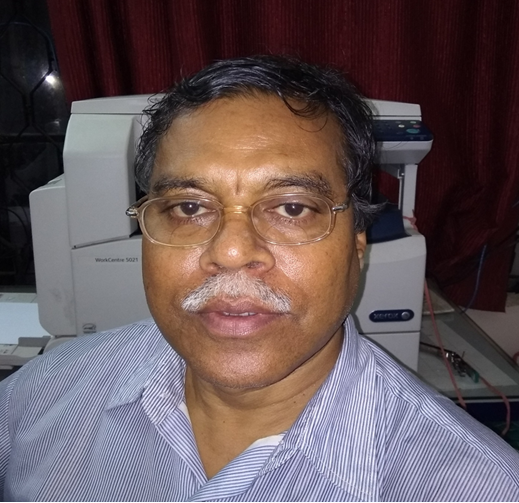
Dr. Ramen Kumar Parui
Dr R. K. Parui did his MSc in Physics in 1988 and PhD in 1993 from Manipur University. His field of specialization is Condensed Matter Physics and Astrophysics. He is interested in the Astrophysical Condensed Matter Physics of Neutron Stars and Pulsars, and has made original contribution in the behaviour of density variation parameter, internal magnetic field of neutron stars, Bubble Dynamics, and neutron capture nucleosynthesis in Massive Stars. Presently, he is working on Magnetars, in particular Swift detected Magnetars --- Cosmic Baby and its role towards detection of Triaxial Stars, Neo-Natal Triaxial Stars by LIGO & VIRGO detectors, Sheet-like structure formation inside the core of ultra-strong magnetized Neutron Star, Magnetars, and Hollow Neutron Stars. His other interested area is Role of Triaxiality towards understanding the Physics of the Origin of Life and the Origin of the Universe
Meet Our Speakers
Plenary Speakers
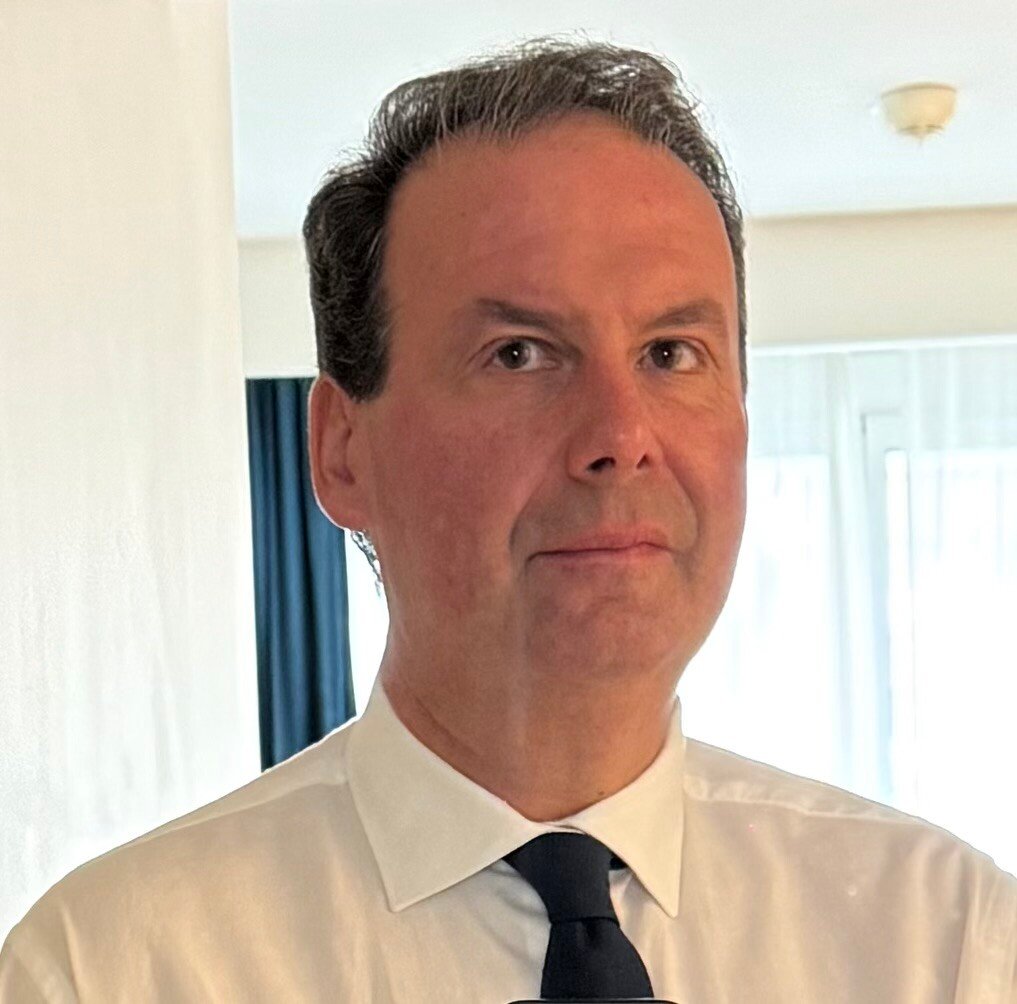
Dr. Massimi Dott Medesani
Independent Researcher & 1st Engineer of Coherence - Guest Speaker - General Agent Cattolica AssicurazioniItaly
Dr. Massimi Dott Medesani
Dr. Massimo Medesani was born in Loano (SV) on 25 January 1966 and currently residing in Vendone (SV), Fraz. Castellaro 47. Obtained a Teaching Diploma (1985) from the Istituto Magistrale C. Amoretti in Imperia, a Bachelor’s degree (1992) and a Doctorate (2023) in Philosophy from the University of Genoa, and a PhD in Brooklyn (2023). Certified Human Resources Trainer (2013) at RI.CRE.S., Rome. Member of the Scientific Committee of CESIA Insurance Intermediaries (2015), Secretary of the FATA Insurance Agents Group (2009), and member of the Pension Fund of the FATA Insurance Group (2015). Participated in numerous conferences and congresses, as well as in the negotiation roundtables of FATA Insurance Companies (2012–2017) and Cattolica Insurance (2018–2022). Serves as a referee for CESIA and GAFATA. Completed several examinations in music theory at the F. Cilea Musical Academy in Savona. Previously served as Sole Director of Al Saraceno Srl (2013–2016), Insurance Delegate of Assigest Group Srl (2014–present), and General Agent for FATA Insurance (2005–2017). Currently serves as General Agent for Cattolica Insurance (2018–present). Scientific and research activities focus on the sustainable impact of economic and insurance activities, with particular attention to climate change and collaboration with numerous scientific and economic organizations.

Dr. Chris Salvino
Chris Salvino is the CEO of Lunar Helium-3 Mining, leading efforts to extract Helium-3 from the Moon to power fusion reactors on Earth, creating a revolutionary green energy source. He holds advanced degrees in Aerospace Engineering, Flight Test Engineering, Aerospace Medicine, Space Studies, Planetary Geology, and Engineering Mining. With hands-on experience as a trauma surgeon and F-16 flight surgeon, his ongoing Ph.D. research focuses on lunar Helium-3 mining. The company is solely focused on lunar Helium-3 extraction, with four issued patents and more pending. They employ innovative, risk-reducing strategies to make lunar resource extraction feasible, advancing a sustainable energy future.
Mr. Mark Young
Mark Young is the founder of the LUOS Foundation and architect of the 78-Day Reset a physiology-first model for restoring human capacity through regulation, rhythm, and systemic coherence. His work explores how biological systems reorganize under conditions of stability, drawing parallels between physical systems governed by structure and human systems governed by regulation. Mark's framework challenges the mind-first model of transformation, proposing instead that sustainable change begins in the body through nervous system stability, metabolic rhythm, and repeated signals of safety. His research-informed approach integrates systems thinking, biological regulation, and performance science to explore how coherence at the physiological level shapes cognition, behavior, and meaning.
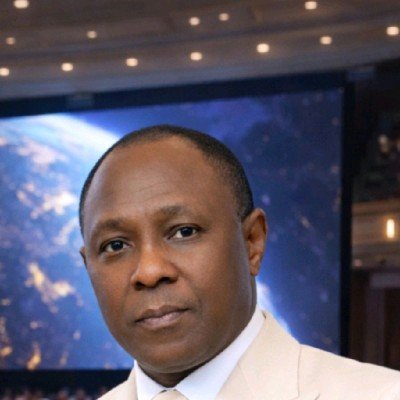
Dr. Regnault Umaru Bamiji
Dr. Regnault Umaru Bamiji, DFIICEST, PhD serves as the Chairman and Chief Engineer of Glyms Industries Ltd. He is a distinguished inventor, innovator, scientist, and technologist. Dr. Bamiji is an astronomer from the University of Arizona, studied rocket science at the University of Michigan. A former military officer, he holds over 40 aviation certificates, ranging from pilot instrument proficiency to aviation maintenance. He is a FAA-certified commercial drone pilot and helicopter pilot. Dr. Bamiji has developed several notable inventions, including a jet helicopter, jet engine test stand, jet engine, gyroplane, self-charging electric car, self-charging power generator, magnet power generator, gravity/magnet power generator, and a magnet battery charger designed to address the limitations of solar and wind energy. He built these innovations independently and has filed numerous patents with the USPTO. His successful construction of a jet helicopter and gyroplane earned commendation from the Nigeria Civil Aviation Authority. Dr. Bamiji was a member of the Expert Group in Rocketry at the Nigerian Space Agency (NASRDA) and is a valued member of the Aircraft Owners and Pilots Association US, the American Institute of Aeronautics & Astronautics, and a Fellow of the Royal Institute of Chartered Administration and Management Technology (FRICAMT). He is also a Doctoral Fellow at the International Institute of Chartered Engineers, Scientists, and Technologists (DFIICEST). Additionally, he is a founding partner of both Odyssey Energy LLC in Arizona, USA, and HorizonPlus Industries Ltd, USA. Dr. Bamiji received the official certificate as a 'Master Builder' for constructing the prestigious MoonWalker robot, which is controlled by light and sound effects, from Award Winning Robotics and Science Kits in Carson, California
Keynote Speakers
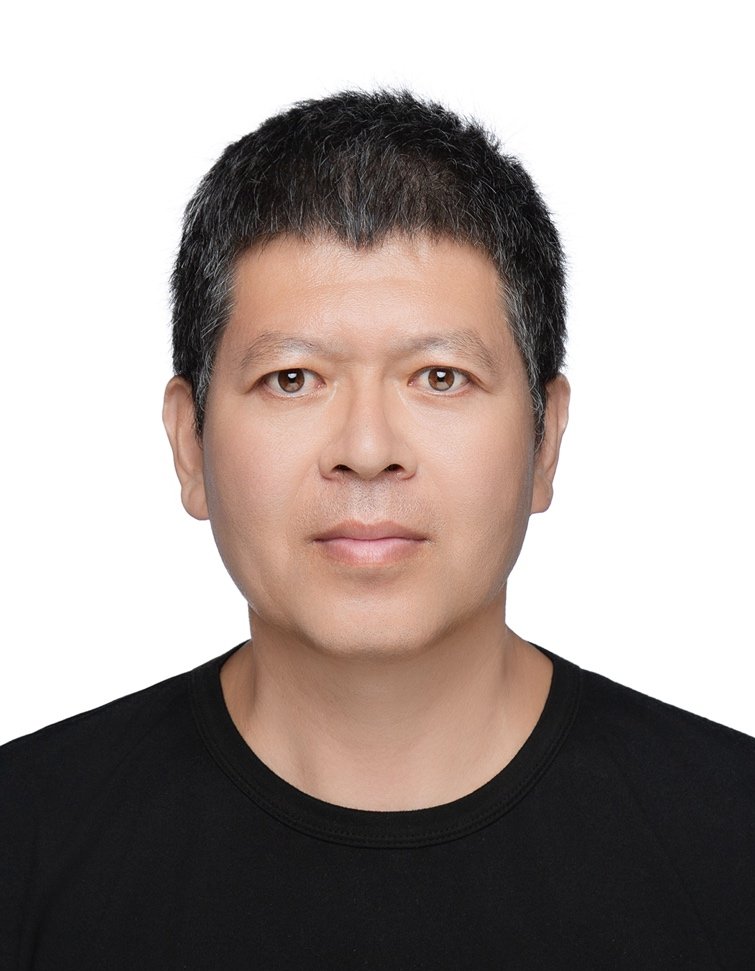
Assoc. Prof. Bojing Zhu
Bojing Zhu, associate professor of computational physics, joined the Chinese Academy of Sciences in 2008 at Yunnan Observatories & Center for Astronomical Mega-Science of the Chinese Academy of Sciences and the University of Chinese Academy of Sciences. My research spans solar physics theory, space physics, planetary science, and high-performance supercomputer algorithms, and I have published over 70 peer-reviewed articles, most on computational solar physics and Earth and planetary physics; his research work has been cited more than 6,00 times, according to Google Scholar. From 2018, my research focuses on the source and origins of extremely GeV solar energetic particles (SEPs), the early warning system for extremely SEPs space weather disasters with the Independent Intellectual Property Rights(IIPR) data-driven multi-component-abundance-isotope (H, He, and heavy ions) relativistic hybrid particle-in-cell and lattice Boltzmann method (RHPIC-LBM). Our research group developed the IIPR RHPIC-LBM to assess, verify, and evaluate the short-time real-time extremely GeV-SEPs prediction (GPU heterogeneous architecture) and the real-time long-time SEP monitor (ARM architecture) on a supercomputer platform. Served for China's deep space exploration field (CNSA's first manned lunar landing plan by 2030, China's Deep Space Exploration) in 'China Science Development Strategy: Space Science (2020-2035) ', 'The Strategic Position of Space Astronomy: China's Space Science 2035 Development Strategy' in National Natural Science Foundation of China (NSFC) and Chinese Academy of Sciences (CAS), and 'National Mid- and Long-term Plan for Space Science in China (2024-2050) '.
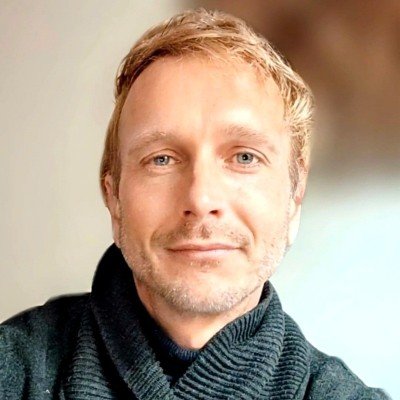
Mr. Fabrizio Degni
Fabrizio Degni is a distinguished AI Ethics and Governance researcher, technology evangelist, and President of the Italy Chapter for the Global Council for Responsible AI. Guided by his philosophy “Ask not if it can be done, nor how, but only if it should be done,” he is deeply committed to exploring technological frontiers while ensuring AI serves humanity’s common benefit through ethical, transparent, and accountable innovation. Recent Recognition & Leadership: Degni was honored with the “Premio per l’Impegno Etico nella Cultura Algoritmica” (Award for Ethical Commitment in Algorithmic Culture) at the inaugural AI Awards Italy 2025, hosted by ENTE NAZIONALE per l’INTELLIGENZA ARTIFICIALE – E.N.I.A.® in Milano. This prestigious recognition celebrates his commitment to education and critical reflection on algorithms, ethics, and AI governance. As President of the Italy Chapter for the Global Council for Responsible AI, he leads a growing community of 500+ members across 71 nations dedicated to shaping responsible AI through ethics, transparency, and accountability principles. Professional Expertise: As Chief of Artificial Intelligence, Degni’s research focuses on sociotechnical risks introduced by emerging AI technologies, particularly AI agents and autonomous systems. His analysis of AI agent systems in IBM’s 2025 AI Ethics Report highlighted critical challenges of opacity, complexity, and non-reversibility in autonomous systems, contributing to frameworks for evolved governance models and ethical oversight. Certifications & Credentials: Degni holds the Chief AI Officer certification from World X University (scored 100 / 100), AI CERTs™: AI+ Executive Certification (scored 90/100, May 2025) and specialized certifications from Stanford University (“AI Awakening: Economic and Society Implications”), edX (“AI Ethics for Professionals”), Copenhagen Business School, Microsoft, and Politecnico di Milano. His advanced credentials include ISO 42001:2023 AI System Management / ISO 9001 certifications and designation as a Certified AI Ethics & Governance Professional (CAEGP). Thought Leadership: A frequent speaker and panel participant, Degni recently contributed to the “Alfabetizzazione e Innovazione” (Digital Literacy and Innovation) panel, discussing human and digital memory alongside leading experts. His work encompasses value alignment, bias mitigation, transparency, and actionable governance frameworks for AI implementation across multiple sectors.
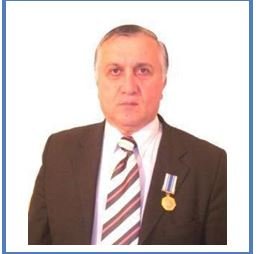
Prof. Revaz Chigladze
Samtskhe-Javakheti State University, E. Kharadze Astrophysical Observatory of GeorgiaGeorgia
Prof. Revaz Chigladze
Revaz Chigladze is a distinguished Georgian astronomer, mathematician, academician, and full professor with decades of contributions to astronomy, astrophysics, mathematics education, and scientific research. Since 2009, he has been a true member of the Georgian Academy of Natural Sciences and has held numerous prestigious academic and scientific leadership positions, including Head of the Astronomy Doctoral Program since 2014, Editor of the international scientific journal Astronomy & Astrophysics (Caucasus) since 2016, member of the editorial board of the Astronomical Journal of Azerbaijan since 2019, expert of the National Center for Education Quality Development since 2020, and Head of the joint Georgian-English astronomy doctoral programs at the E. Kharadze National Astrophysical Observatory of Georgia and Samtskhe-Javakheti State University since 2022. In 2023, he was elected as a member of the Physics and Mathematics Scientific Committee of the World Academy of Science, Engineering and Technology during the international conference held in New York. Prof. Chigladze has played a significant role in the development of higher education and astronomy research in Georgia. He established and led the Faculty of Mathematics and Astronomy at the TSU Meskheti branch from 1992 to 2005, contributing to the education of hundreds of mathematics and astronomy specialists. Since 1991, he has continuously lectured at all levels of higher education at Samtskhe-Javakheti State University. He has also coordinated international studies on mathematics teacher education in Georgia and headed accredited educational programs for mathematics teachers, helping improve the qualifications of more than 300 educators. Academically, he earned his Candidate Degree in Physics and Mathematics in 1990 and later received his Doctorate in Physics and Mathematics in 2006. Throughout his career, he has published more than 100 scientific works in internationally recognized journals, including The Astrophysical Journal Supplement Series, Astronomy & Astrophysics, Monthly Notices of the Royal Astronomical Society, and other leading publications. His research areas include blazars, gamma-ray astronomy, variable stars, planetary studies, solar prominences, galaxy evolution, Jupiter’s Galilean satellites, and statistical plasma physics. He has collaborated internationally with major scientific projects and contributed to numerous high-impact astrophysical studies. Prof. Chigladze has also led and participated in several national and international scientific grants funded by organizations such as the Shota Rustaveli National Science Foundation of Georgia and the Open Society Georgia Foundation. His ongoing work continues to contribute significantly to modern astrophysics, astronomy education, and international scientific collaboration.
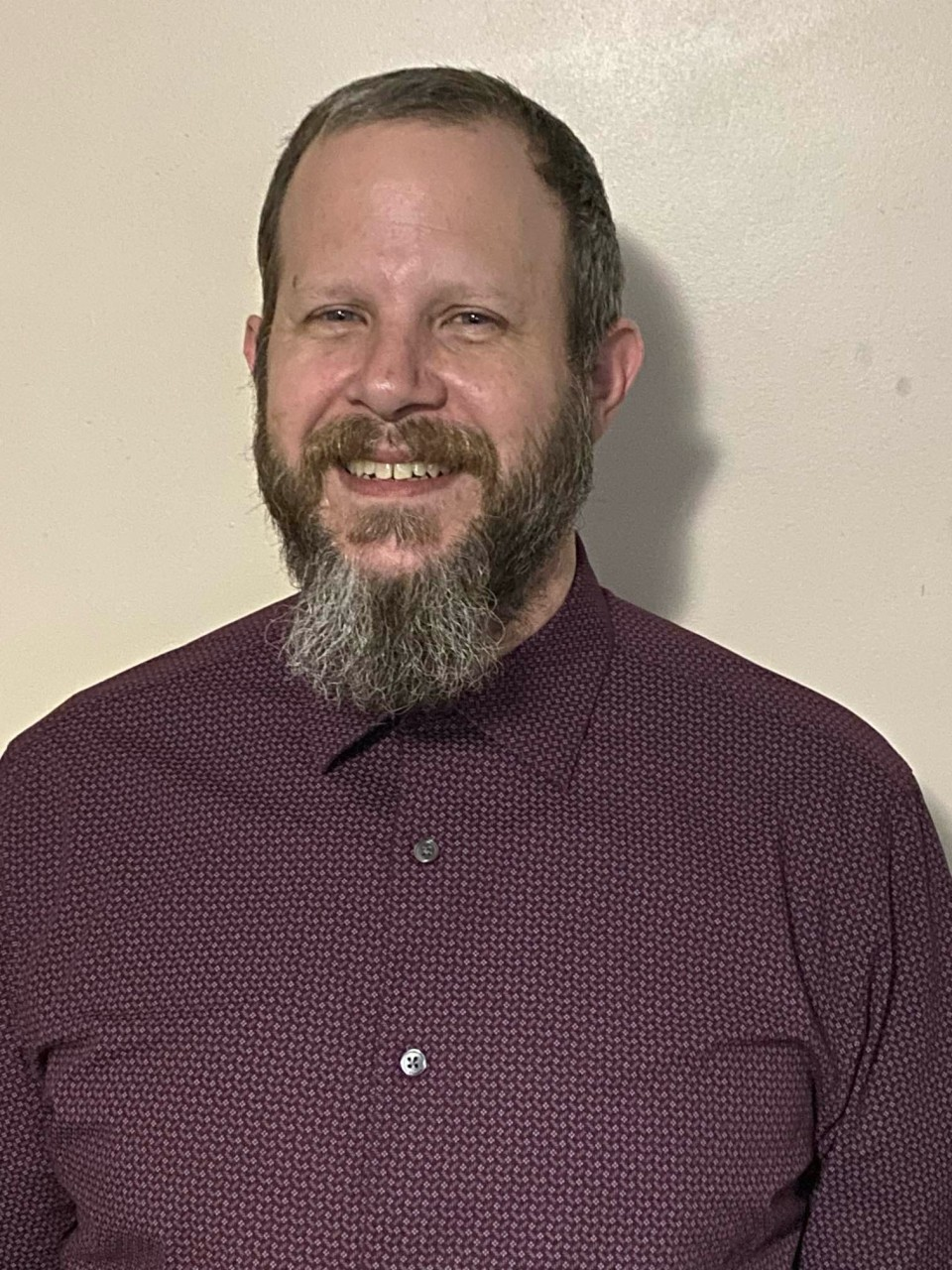
Mr. Charles Levine
Charles Levine has a multidisciplinary background spanning aerospace manufacturing, RF telecommunications, computer programming, and biomedical life sciences. He has managed quality systems across multiple industries, with deep expertise in GD&T, metrology, metallurgy, and tooling geometry, and a strong focus on precision and measurement. He has a long-standing passion for science and has spent years studying and developing work in physics, approaching it through a geometric and systems-based perspective. His work is grounded in practical engineering experience, emphasizing structure, constraints, and measurable behavior. He also maintains a broader interest in environmental science and mycology. In addition to his technical work, he is a dedicated advocate for nature, viewing it as the critical foundation of human life and responsibility. He emphasizes balance between technological advancement and the natural world.
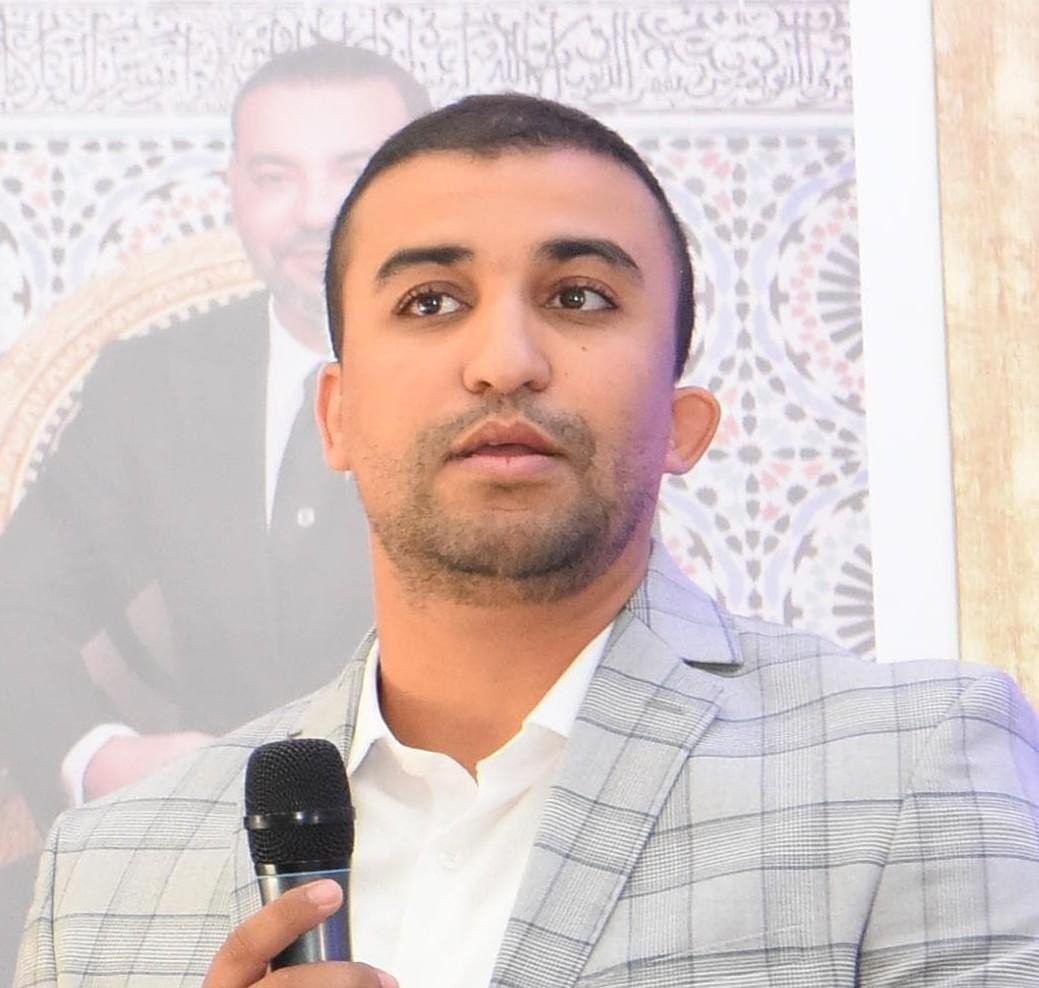
Dr. Mohamed Kaab
Mohamed KAAB, Maître de conférences (Lecturer), National School of Applied Sciences of Beni Mellal (ENSA-BM), Sultan Moulay Slimane University (USMS), Morocco. He received his PhD in Space Physics/Space Weather in 2019, focusing on upper-atmospheric dynamics above the Oukaimeden Observatory. Since 2014, his research has addressed ionospheric variability and thermosphere–ionosphere coupling using GNSS-derived TEC and complementary ground-based observations. He leads regional efforts on long-term VTEC climatology over Morocco, ionospheric responses to major solar and geomagnetic disturbances, and applications to GNSS performance and regional space-weather characterization. He is also involved in developing instrumentation and site-testing activities for a new university observatory initiative in the Beni Mellal–Khénifra region.
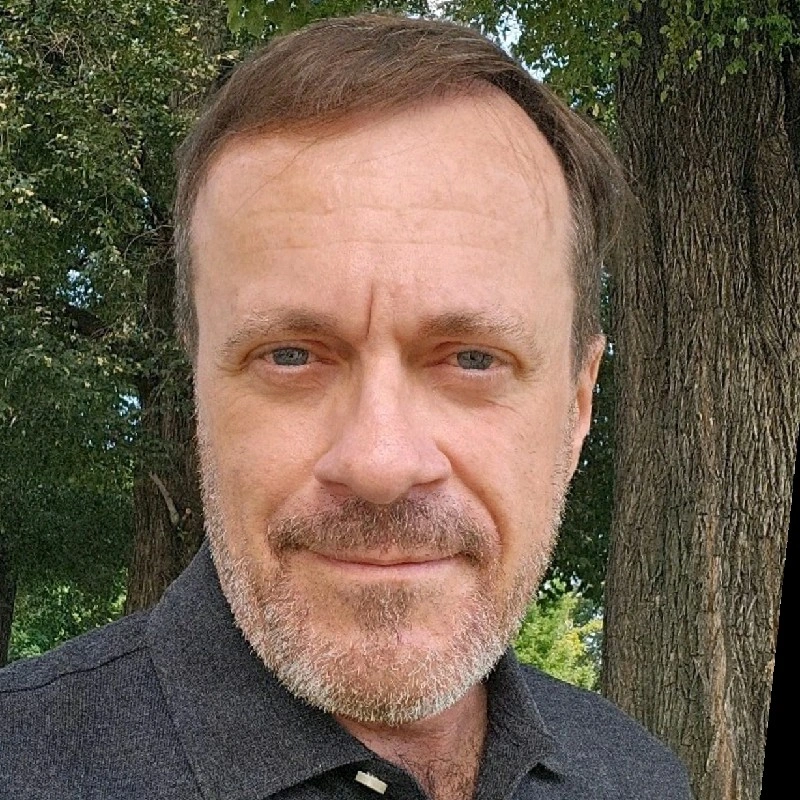
Dr. Joseph P Firmage
Founder and Chairman of Academy of Science and Arts, Potentum Physics ObservatoryUnited States
Dr. Joseph P Firmage
Joseph P Firmage is founder and Chairman of the Academy of Science and Arts, and its predecessor, Science Invents. He is a visionary creator, scientist, businessman, philanthropist and through the Academy is advancing the frontiers of physics through interdisciplinary research, conceptual innovation, and strategic collaboration. With a passion for fundamental understanding and a commitment to reshaping the scientific landscape, Firmage brings a proven career of insight, dedication and experience to the pursuit of transformative discovery. He is a world-renowned Internet Economy industry leader who founded USWeb Corporation. There he led thousands of employees across 10+ nations who built the first Web and Internet commerce systems for more than 50% of the Fortune 100 worldwide. Clients included the World Economic Forum, Dell, Cisco, Apple, Microsoft, CNN, Sony, Warner Records, American Express, Harley Davidson, Chevron, Barnes and Noble, RiteAid, Levi Strauss and scores of others. He led the acquisition of more than 35 companies around the world, culminating in 1998 with an Advanced VoIP Practice in Manhattan serving major telcos in their migration to IP-based voice and video services, USWeb Electronic Services in a joint venture with Microsoft and Intel, and the acquisition of CKS Group, with the best digital artists and marketing talent in the world. Under his watch the publicly-traded company returned over $4 billion to its stakeholders. He has served on the Boards of the World Economic Forum, the United Nations University for Peace, has won numerous awards including Ernst & Young's Entrepreneur of the Year Award in 1998 and the Integrity in Physics Award in 2012. He was founding sponsor of the Carl Sagan Foundation, the Integral Institute with renowned philosopher Ken Wilber, the State of the World Forum bringing 500+ CEO's and NGO Directors to join with international leaders at the 2000 United Nations Millennial Summit to scenario plan the 21st century's challenges and opportunities. Appearances and interviews include PBS, BBC Hardtalk, CNN, NBC Dateline, Forbes ASAP, USA Today, CNET, Salon, Business 2.0, San Jose Mercury News.. He has published four books, all of which are becoming available in January 2022 through wide print and electronic editions: The Truth. Revolutions in Physics, Evolving Economics and The Secret. Joseph received the C.N. Yang Physics Academic Scholarship at the University of Utah, and received honors in Physics, Computer Science and Chemistry during his High School years at Olympus High in Salt Lake City, Utah.
Mr. Cameron Ikin
His background spans scientific research and education, supported by robust academic credentials. I am passionate about topics such as computer science, cosmology, astrophysics, cyberspace, and cryptography. By founding Capricorne Spatial Agence and its brand Quantum Launch, I've developed innovative scientific solutions and played a role in advancing the New Space Age.